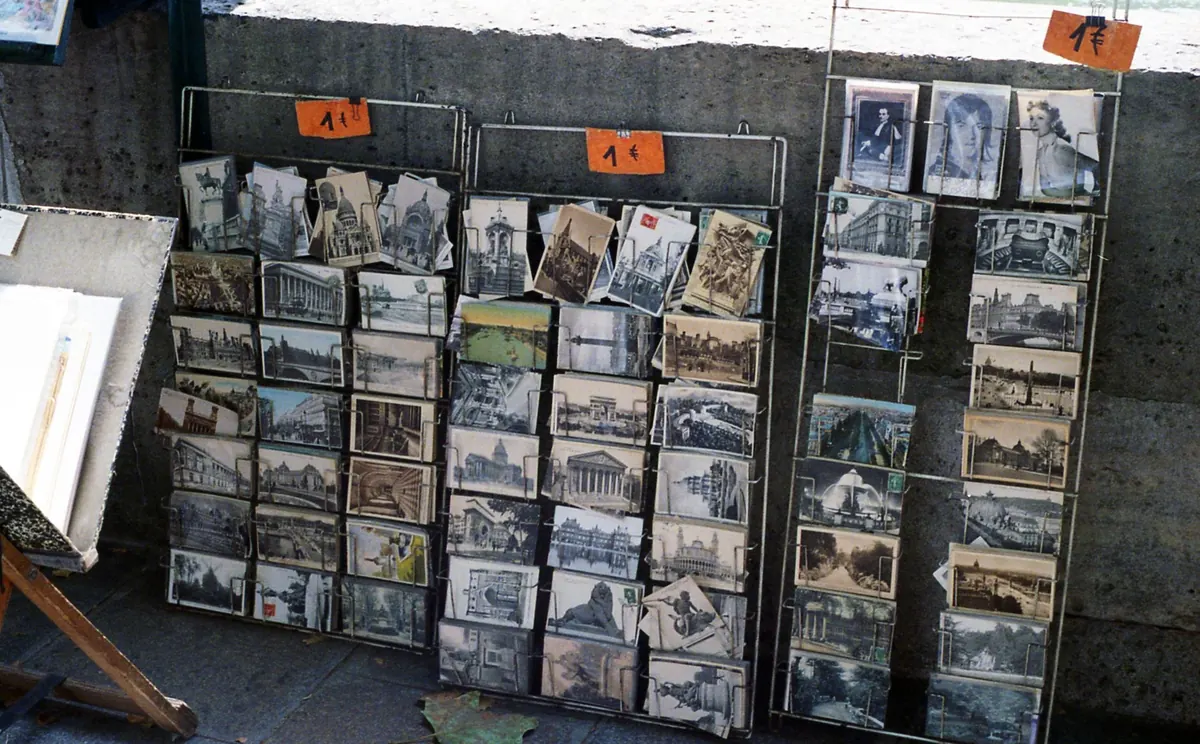
Most postcard collections begin by accident. You pick up one card at a flea market because the view is lovely, or because someone wrote something funny on the back in 1953. A second card follows, then a third, and within a few months there is a shoebox under the bed.
A shoebox is a perfectly good place to start. The trouble arrives a little later, when the shoebox turns into a real interest and the habits formed during those first enthusiastic weeks begin to cost money, space, or cards you cannot replace. None of the mistakes below are catastrophic on their own. Made repeatedly over a few years, though, they shape a collection in ways that are hard to undo.
Choosing a focus too late
Buying everything is the fastest way to end up with a collection that has no shape. It also makes it impossible to answer the only question that matters at a dealer's table: is this card good for me? Without an answer, every card looks like a possible buy.
You do not need a rigid specialism on day one. You do need a working brief, even a temporary one. It might be a place (your hometown, a stretch of coast), a subject (lighthouses, funicular railways, bathing huts, station hotels), a period (linen-era cards, early chrome), or a type (real photo, hand-tinted, advertising). A brief gives you permission to say no, which protects both your budget and your shelf space.
Before your next purchase, write down the answers to a few questions:
- What will I keep, and what will I pass on?
- What condition will I accept? Creases and rounded corners are fine for some themes, not for others.
- What is my ceiling for a single card, and does it change for something rare?
- Where will the collection live, and how much room does it actually have?
- Am I collecting images, postal history, or both? The two overlap but are not the same hobby.
The duplicate problem
Duplicates creep in quietly. You buy a box lot at a fair, spot a familiar view at the bottom, and only at home discover it is the third copy you own. For common views this is a small annoyance; for a scarce card it is money spent twice.
The fix is unglamorous: keep a list. A note on your phone with the cards you already own, or a folder of photographs, takes minutes to maintain and saves real money. When you cannot check the list, buy fewer cards rather than more. If you buy lots online, study the photographs properly instead of trusting the word "collection" in the title.
One caution: not every repeat is a duplicate. The same image can appear from different publishers, with different backs, different colouring, or a different caption, and those variants are often worth keeping. Learn to tell a second copy from a different printing before you trade anything away.
Ignoring the back of the card
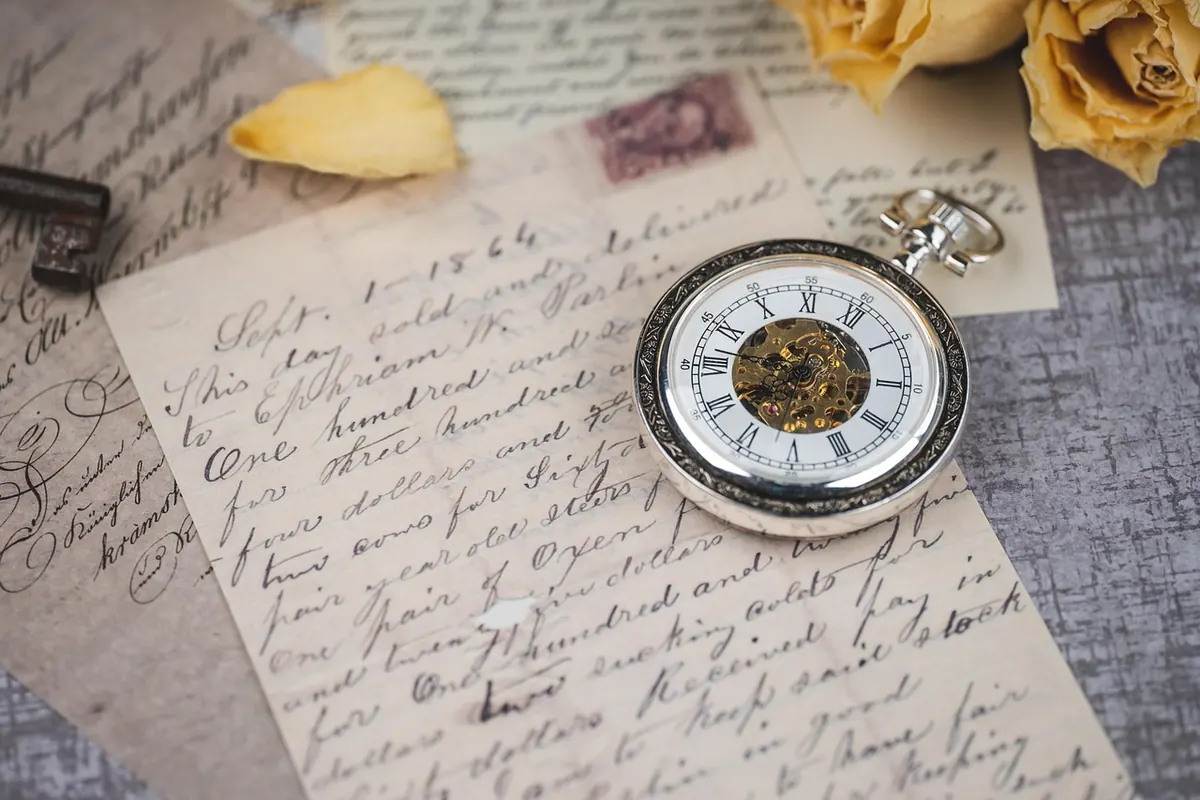
Beginners look at the picture. Collectors turn the card over first. The reverse carries much of the information, and sometimes much of the value: the publisher's imprint, a series number, the artist's signature, the printing note, the stamp, and the postmark.
Postmarks reward attention. They can date a card precisely, place it in a town you would not otherwise connect with the image, or reveal something more interesting: a railway postmark, a paquebot mark from a ship's posting, a military field post, a censorship stamp, a slogan cancel. A message can date a card too, and it often turns a landscape into a small piece of social history worth reading properly.
What to record while it is fresh
Note the publisher, series number, postmark date and place, condition issues, and what you paid. Do it when the card arrives, not later. Pencil, lightly, in an inconspicuous corner of the reverse is acceptable to most collectors; better still, record it digitally and leave the card untouched. Never write over the imprint or the stamp, and never soak a stamp off because you think it would look tidier.
Overpaying without noticing
Overpaying rarely happens in one dramatic moment. It happens through small habits: buying the first example you see, paying tourist-shop prices for modern cards because they are right there, ignoring postage when bidding on lots, or getting caught up in a bidding war for a card you did not especially want ten minutes earlier.
Two things help more than anything else. First, learn how common a card actually is by looking at completed sales rather than asking prices, and by watching what turns up repeatedly at fairs. Second, set a ceiling per card before you go browsing, and treat it as fixed. Dealers expect you to look, ask questions and walk away; that is part of the trade, not an insult.
Check condition carefully before money changes hands. Trimming, heavy creases, album marks from old mounting corners, retouching, and backs stuck down in albums all affect what a card is worth, and some of them are hard to spot in a small online photograph. Ask for a scan of the reverse if it is not shown.
Storage mistakes that cause real damage
This is the section that matters most, because the damage is permanent. Damp is the classic enemy. Basements, garages, sheds, boxes left on a concrete floor, and shelves against an outside wall all expose paper to moisture it absorbs readily. The result is cockling, foxing, a musty smell, and eventually mould that will not come out.
Heat and light do their own work. Attics swing between extremes, and a card left in direct sun will fade, particularly hand-tinted and early colour work. Rubber bands, sticky tape, PVC sleeves and old self-adhesive albums all cause harm over time, and a heavy box stacked on top of loose cards will press creases into them that never flatten.
A simple storage setup that works
- Sort the cards first, and let anything that feels damp air-dry fully before it goes into plastic.
- Sleeve cards in archival polyester or polypropylene, not PVC.
- Store upright in acid-free boxes, and keep the boxes off the floor.
- Choose a room you actually use, where temperature and humidity stay reasonably steady.
- In humid climates, add silica gel to the box and recharge or replace it regularly.
- Check the collection twice a year. Look for warping, spotting and silverfish, and deal with problems early.
Handle cards with clean, dry hands, holding them by the edges, and keep drinks away from the sorting table. Gloves are not necessary for most postcards; clean hands are.
A short starting checklist
Write down a brief for what you collect, even if you revise it later. Keep a list of what you own. Turn every card over before you buy it. Set a per-card ceiling and respect it. Store everything dry, upright and away from sunlight. Buy five good cards rather than fifty indifferent ones, because the good ones will still please you in ten years.
Ask questions at fairs. Dealers generally enjoy talking about postmarks and publishers, and a five-minute conversation often teaches more than an evening of scrolling. Join a local society if there is one nearby; the cards are the reason for collecting, but the people are usually the reason collectors stay.
And keep the shoebox, at least for a while. It is a useful reminder that this started as something small and enjoyable, and that the point of a collection is to be looked at, not simply stored.
Photo: lukasbieri / Pixabay