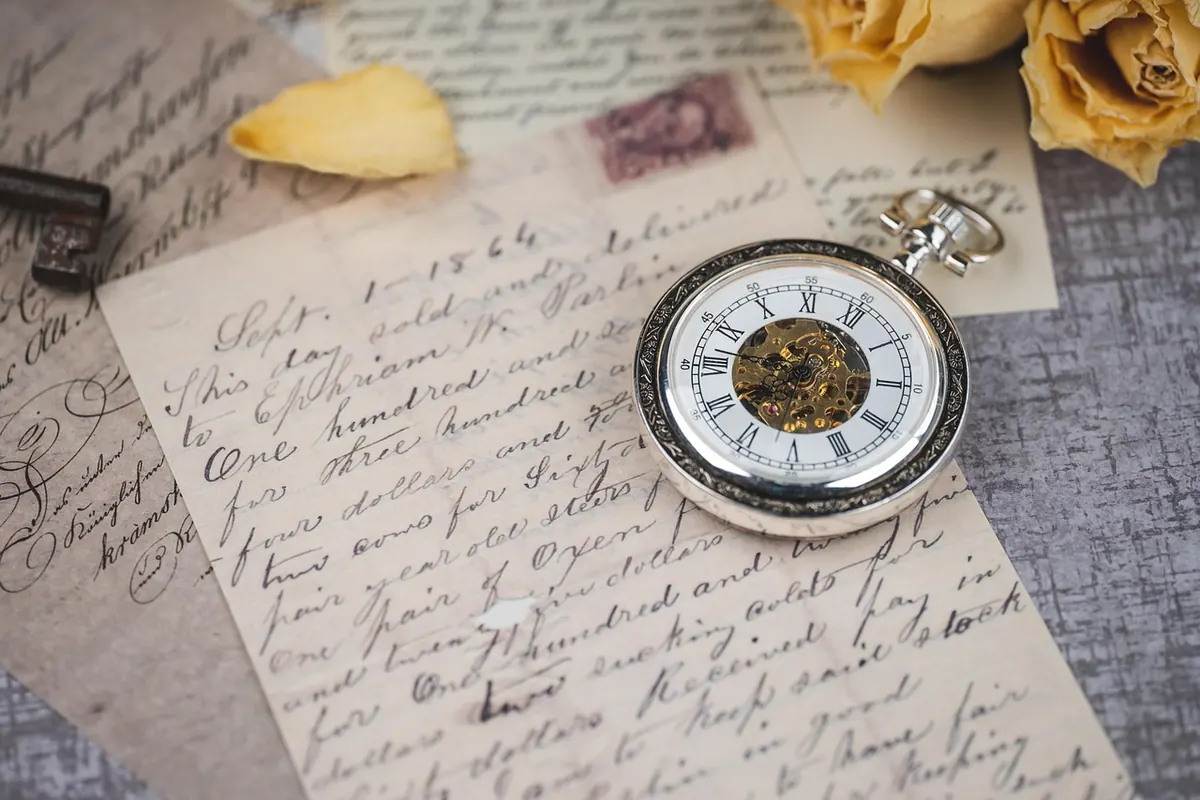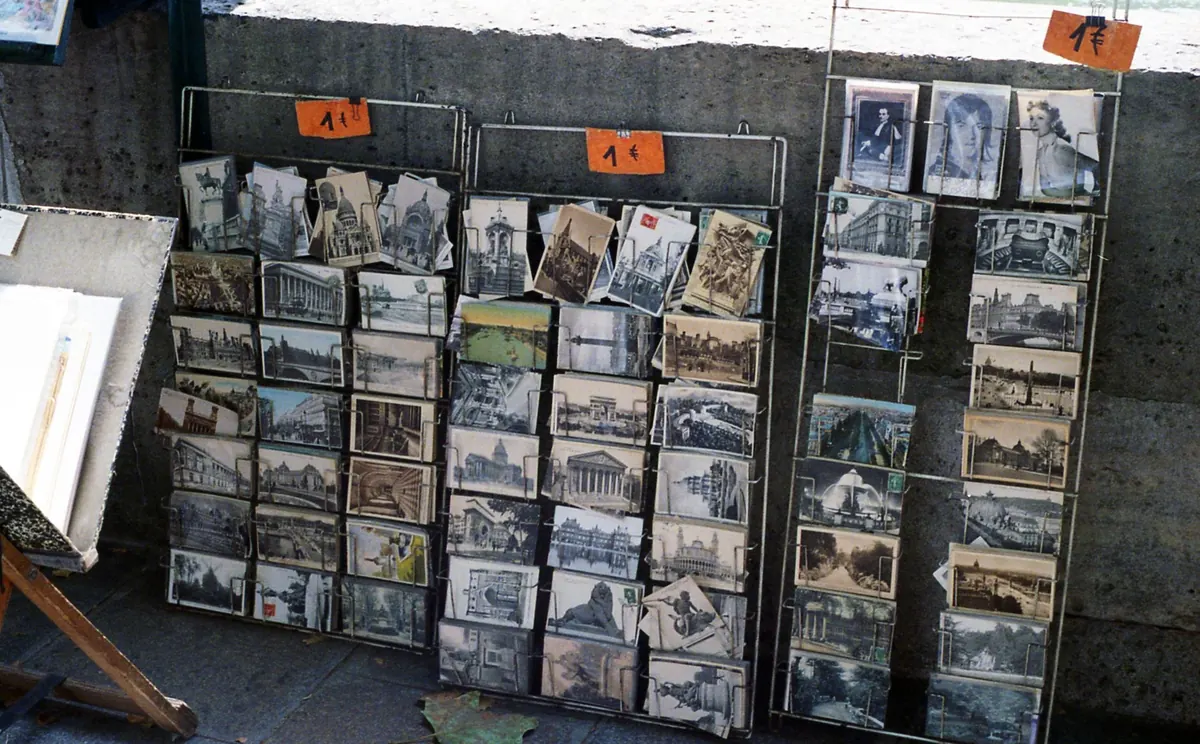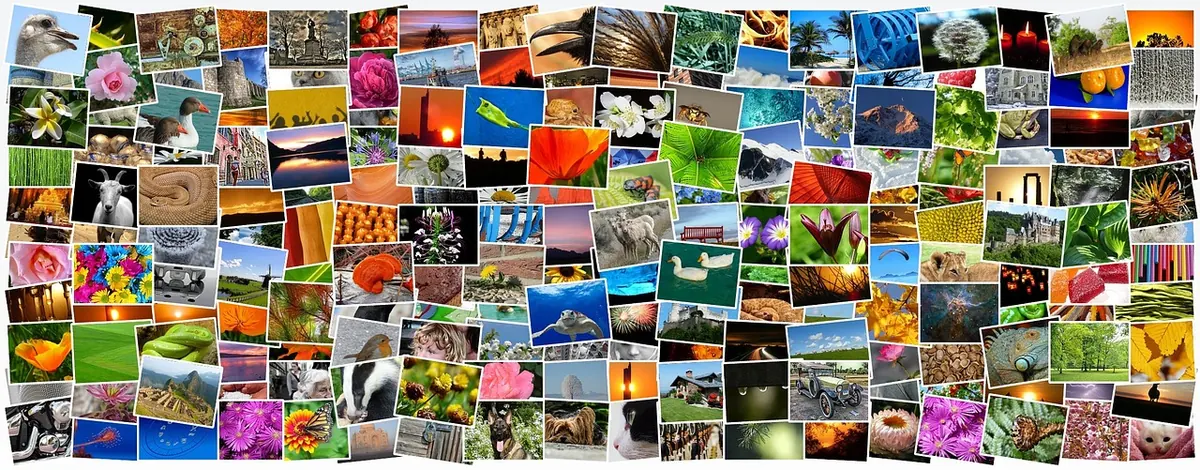
Postcards are one of the friendliest ways to begin collecting. They are small, usually affordable, and packed with evidence of ordinary life: a seaside promenade, a hotel that no longer exists, a message sent home in haste. You do not need a specialist’s knowledge or a large budget to start. You need a little curiosity and a few simple decisions. This guide covers the decisions that matter most: choosing a focus, finding cards without overspending, setting a budget, and keeping your first collection organized enough to enjoy.
Choose a Focus That Fits Your Curiosity
A focus gives your collection shape. Without one, every card looks interesting, and it is easy to come home with a carrier bag of unrelated paper that never gets looked at again. With one, you notice connections. You learn something. You can explain your collection to someone else in a sentence.
Your focus can be geographical: the town where you grew up, a stretch of coast, a city you visit often, or a country you travel through. It can be thematic: lighthouses, railway stations, market squares, hotels, department stores, fairgrounds, bridges, or roadside diners. It can be by era, by publisher, by illustrator, or by type, such as real photo postcards, advertising cards, or greetings cards. It can even be personal: cards sent to a particular family name, or cards showing the village where a grandparent lived.
Try not to make the focus too narrow at first. “Postcards of one small town, posted before 1920, showing only the railway station” is a demanding brief for a beginner. “Postcards of that town, any date” gives you room to learn. A focus is a filter, not a fence.
Beginner-friendly themes
- Places you know: your hometown, a favorite holiday spot, a city where you studied.
- Everyday landmarks: post offices, cinemas, lidos, piers, bridges, and markets.
- One subject: boats, bicycles, dogs, mountains, doors, or street scenes.
- One kind of card: real photo, advertising, comic, or greetings.
- One publisher or artist: useful once you have handled a few cards and know what you like.
Write your focus on a sticky note and keep it in your wallet or phone case. It will save you from impulse buys that do not fit.
Start With What You Already Have
Before you buy anything, look through the cards already in your life. Most households have a few: a bundle from a house clearance, a shoebox from a relative, a single card kept because the picture was too good to throw away. Sort them into three piles: keep, pass on, and undecided. Do not worry about value yet. Look for patterns. You may discover that you are drawn to coastal views, or to cards with handwriting on the back, or to a particular shade of mid-century print.
This first sort is also a gentle lesson in condition. Notice the difference between a crisp card and one with bent corners, creases, or brown spots. Notice whether the message side is written on, stamped, and postmarked. None of these things is automatically bad. A written card can be more interesting than a blank one. But condition is part of the object, and learning to see it helps you choose well later.
Source Cards Without Spending Much
You do not need to visit specialist dealers to find good cards. Start where the supply is mixed and the prices are low.
- Postcard and ephemera fairs: dealers often have bargain boxes. Arrive early for the best pick, or late for deals.
- Flea markets and antique fairs: ask whether there are postcards under the table or in a box behind the stall.
- Thrift shops and charity shops: cards turn up in donations, sometimes in albums that have been broken up.
- Estate sales and house clearances: look for albums, tins, and shoeboxes rather than single cards.
- Online auctions and marketplaces: mixed lots are useful for learning, but check postage and read descriptions carefully.
- Museum shops and local heritage centers: good for modern cards of places you love, often printed to a high standard.
- Swaps and gifts: tell friends what you collect. A card from their trip is a small, welcome addition.
At fairs, buy a few inexpensive cards first and handle them. Turn each one over. Check the corners, the surface, and the message side. Ask the dealer what they would call the card and why. Most are happy to talk, and you will learn more in ten minutes of conversation than in an hour of silent browsing.
Mixed lots can be excellent value, but they come with duplicates. That is fine. Duplicates can be swapped, given away, or kept as a reference copy. Set a simple rule: if a lot contains three cards you genuinely want, and the price feels fair for those three, the rest is a bonus.
Set a Budget You Can Live With
Postcards are usually inexpensive, which is part of their charm. It is also how a small hobby becomes a large pile. Decide on a monthly amount you are comfortable spending and treat it as your postcard money. It does not need to be much. The point is to make spending deliberate rather than automatic.
At fairs and shops, give yourself a per-card ceiling. That ceiling will vary by what you collect, so check completed sales and dealer prices before you fall in love with something. Keep a running total in a notebook or phone note. If you have spent your month’s budget, stop buying and spend the time sorting, researching, or writing cards instead.
One useful habit is to keep a wish list. When you see a card you want but cannot justify, write it down with the date and the asking price. Many wishes fade. The ones that stay are worth saving for. Collect for interest, not for investment. If you ever find yourself buying cards you do not like because you think they will be worth more later, step back. That is a different hobby, and a riskier one.
Organize a First Collection Simply
You do not need an elaborate system. You need a way to find a card when you want it and a way to stop cards from being damaged. Start with one album or one box. Add more only when the first is full.
A simple starter kit
- A postcard album with fixed pockets, or a sturdy box with divider cards.
- Acid-free sleeves or pockets for cards you handle often.
- Dividers labeled by place, subject, or date.
- A notebook or spreadsheet for notes.
- A dry, dark shelf away from radiators, damp, and direct sun.
Sort by whatever makes sense to you. For a place-based collection, alphabetical by town or region works well. For a thematic collection, group by subject and then by date. Keep a simple record: what the card shows, the publisher if you can identify it, the postmark or date, where you found it, and what you paid if you want to track spending. You do not need to catalog every card on day one. A pencil note on the back of a sleeve is enough to begin.
Handle cards with clean, dry hands. Avoid tape, glue, and rubber bands. Do not store them in a hot attic or a damp basement. If you want to display a few favorites, frame them with acid-free mounts and keep them out of direct sunlight, which will fade the image.
Learn a Little, Ask a Lot
Postcards reward slow looking. Publisher marks, card numbers, stamp boxes, and postmarks can all offer clues about where and when a card was made. You do not need to become an expert overnight. Pick up a general reference book if you find one, browse dealer boxes with curiosity, and ask questions at fairs. Local history societies and postcard clubs are often welcoming to newcomers. So are online forums, though it is wise to check several opinions before treating any identification as certain.
The best learning tool is a small group of cards you know well. Study their backs. Compare a card printed in the 1950s with one from the 1970s. Notice the paper, the printing, the way the caption is set. That kind of close attention will do more for your eye than any long list of rules.
A Practical First Month
Keep the start small. In week one, gather the cards you already own and sort them into keep, pass on, and undecided. In week two, choose a focus and write it down. In week three, visit one market, fair, or thrift shop with a set amount of cash and a per-card limit. In week four, put your finds into an album or box and write a short note about each one: where it came from and why you chose it.
That is a collection. It will grow as you notice more, learn more, and meet other people who share the interest. The pleasure is in the looking, the small discoveries, and the stories these modest pieces of paper carry. Start with a few cards you genuinely like, keep them safe, and let the rest follow.
Photo: Simon / Pixabay